The Evolution of Digital Expression
Communication has changed drastically over the last few decades. We have moved from writing long letters to sending instant text messages. In this fast-paced digital world, tone is often lost. Words on a screen can feel cold or ambiguous. Consequently, we needed a way to convey emotion quickly. This is where emoji symbols changed everything. They are not just cute pictures. They are a complex and nuanced language of their own. In 2026, they are more relevant than ever. They bridge the gap between spoken language and digital text. Therefore, understanding their evolution helps us appreciate their value today.
The history of these symbols dates back to the late 1990s in Japan. Shigetaka Kurita created the first set for mobile devices. He realized that text-only communication lacked emotional context. His simple 12×12 pixel designs paved the way for what we have now. Since then, the library has exploded. We now have thousands of options covering almost every concept imaginable. Furthermore, the Unicode Consortium standardizes these characters. This ensures that a smiley face sent from an iPhone looks similar on an Android device. This standardization is crucial for global communication. Without it, messages could become confusing or misinterpreted. As we move through 2026, we see even more diversity. Skin tone modifiers and gender-inclusive options are now standard. Therefore, emojis continue to adapt to our modern societal norms. They are a living, breathing part of our digital culture.

Understanding Common Meanings and Nuances
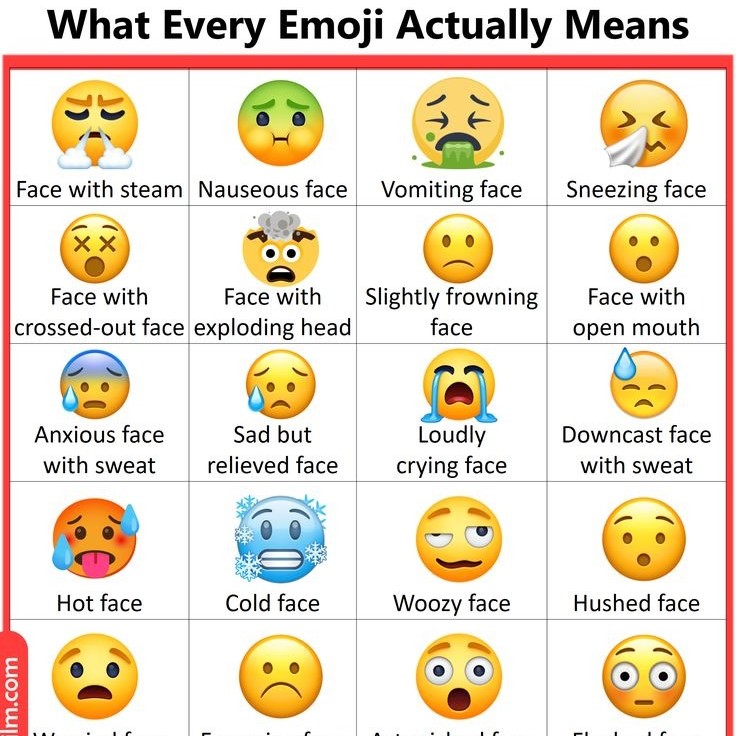
Decoding emoji symbols can sometimes feel like learning a new dialect. While some meanings are obvious, others have hidden depths. For instance, a simple thumbs-up can mean approval. However, in some cultures, it is considered rude. Therefore, context is everything when using these digital tools. A smiley face can convey genuine happiness. But, it can also represent sarcasm or passive-aggressiveness depending on the surrounding text. Consequently, users must be aware of these subtleties to communicate effectively.
Moreover, new symbols are added every year. The Unicode Consortium reviews thousands of proposals. They select symbols that will have a broad global impact. In recent years, we have seen symbols representing various professions and disabilities. This inclusivity allows more people to see themselves in digital conversations. Furthermore, the interpretation of symbols evolves over time. The “skull” emoji, for example, was originally meant to represent death. Today, many young people use it to signify extreme laughter or “dying” of embarrassment. Similarly, the “clown” face often represents foolish behavior rather than a circus performer. Keeping up with these shifts is vital. It ensures that your messages land the way you intend. If you fall behind on these trends, you might accidentally send the wrong message. Therefore, staying informed about current meanings is a key part of digital literacy.
How to Access and Use Emojis on Different Platforms
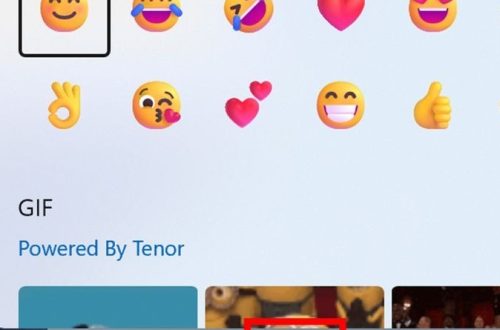
Accessing emoji symbols is usually a straightforward process. However, it can vary depending on your device and operating system. For mobile users, the keyboard is the primary tool. On iOS, there is a dedicated globe or smiley face icon. Tapping this instantly brings up the visual keyboard. Android users have a similar experience. However, customization options can sometimes hide the button. Therefore, knowing where to look is essential for seamless communication. Most modern desktop operating systems also support emojis. Windows users can press the Windows key plus the period key. This shortcut opens a handy emoji picker right next to your cursor. Mac users can utilize the Control, Command, and Space bar combination.
Additionally, web browsers and social media platforms have their own integrated emoji sets. These designs are often specific to the brand. For example, Twitter has its own unique “Twemoji” set. This ensures a consistent look across all devices. Furthermore, knowing how to search for emojis is a time-saver. You do not need to scroll through thousands of tiny pictures. Most modern keyboards allow you to type a keyword. For instance, typing “cat” will filter the results to show the cat face. This predictive search feature speeds up typing significantly. Consequently, you can maintain your flow of thought without interruption. Mastering these access methods increases your efficiency. It makes your digital interactions smoother and more enjoyable. Whether you are on a phone or a computer, these tiny icons are always just a tap or click away.
Troubleshooting Missing Icons on Android Devices
Technology is not perfect. Sometimes, you might open your keyboard and find the icons missing. This is a common frustration for many Android users. If your emoji symbols disappear, it is often due to a settings issue. Do not panic. There are several simple ways to fix this problem. First, check your keyboard settings. Sometimes, the emoji toggle gets switched off accidentally. Go to your device’s “Settings” menu. Then, select “General Management” or “Language and Input.” Look for the “On-screen keyboard” option. From there, select the keyboard you are using. Ensure that the “Show emoji switch” option is turned on. This is the most frequent cause of the problem.
Another common cause is outdated software. Google frequently updates its keyboard app to include new symbols and bug fixes. If you have not updated your apps recently, you might encounter glitches. Open the Google Play Store and check for updates. Specifically, look for updates to “Gboard” or your device’s default keyboard. Installing the latest version often restores missing functionality. Furthermore, clearing the keyboard’s cache can resolve conflicts. Over time, temporary data can become corrupted. Go to “Apps” in your settings, find your keyboard, and select “Storage.” Then, tap “Clear Cache.” This action removes old, potentially buggy files. Consequently, the app can run smoothly again. These steps usually solve the problem without the need for a factory reset. Therefore, systematic troubleshooting is your best friend.
Restoring Emojis on Samsung Keyboards
Samsung devices are incredibly popular. They use a custom interface called One UI. The keyboard on Samsung devices is feature-rich. However, users sometimes report that their emoji symbols vanish. This can be particularly annoying if you rely on them for daily communication. The solution is often hidden within the keyboard’s specific settings. To bring them back, start by opening any app that uses the keyboard. Then, look for the small gear icon on the keyboard toolbar. This opens the keyboard settings. Alternatively, you can go through the main “Settings” app on your phone.
Once in the settings, look for the “Smart typing” or “Layout” section. Here, you will find options to customize your keyboard view. Sometimes, the “Emoji” button is removed from the toolbar to make space for other shortcuts. You can drag and drop the emoji button back to its rightful place. Furthermore, Samsung allows users to switch between different keyboard modes. Ensure you are not in a “compact” or “floating” mode that might hide certain buttons. If these settings look correct, try resetting the keyboard settings to default. This option is usually found in the “Manage apps” section of your system settings. Resetting clears any strange configuration errors. Consequently, your emojis should reappear. It is also wise to ensure your Samsung Keyboard app is updated via the Galaxy Store. Samsung often pushes updates separately from the main system updates.
The Role of Unicode in Standardization
Have you ever sent an emoji to a friend and it looked different on their screen? This happens because different operating systems have different designs. However, the underlying code remains the same. The Unicode Consortium is the organization responsible for this. They ensure that emoji symbols work across different platforms. Without Unicode, a smile sent from an iPhone might appear as a blank box on an Android. This standardization is the backbone of digital communication. It assigns a unique code to every character. Therefore, no matter what device you use, the meaning remains consistent.
The process for adding new symbols is rigorous. Anyone can propose a new emoji. However, the proposal must include evidence of frequent usage. It also needs to show that the symbol fills a communication gap. The Unicode Emoji Subcommittee reviews these proposals annually. They consider factors like visual distinctiveness and potential for misinterpretation. Once approved, the new character is added to the Unicode Standard. Then, tech giants like Apple, Google, and Samsung design their own versions. This is why a “watermelon” looks slightly different on each platform. The design reflects the company’s artistic style. Nevertheless, the code point remains identical. Understanding this process helps us appreciate the complexity behind those little yellow faces. It is a global effort to improve how we connect with one another.
The Impact on Marketing and Social Media
In 2026, emoji symbols are powerful marketing tools. Brands have realized that text-heavy content often gets ignored. Emojis can grab attention and convey personality. Consequently, social media managers use them extensively. A well-placed rocket ship or star can increase engagement rates. They make posts feel more approachable and human. Furthermore, emojis transcend language barriers. A heart is universally understood. This allows brands to communicate with a global audience effortlessly. Therefore, they are essential for international marketing campaigns.
However, brands must use them strategically. Overuse can look unprofessional or childish. Misuse can lead to embarrassing misinterpretations. For example, using a symbol with a double entendre can backfire. Therefore, marketing teams often research emoji trends thoroughly. They want to ensure they are speaking the audience’s language. Additionally, hashtags often incorporate emojis. This helps categorize content and makes it discoverable. The visual nature of these symbols fits perfectly with the shift towards visual-first platforms like Instagram and TikTok. Consequently, mastering emoji usage is now a job skill. It is no longer just for casual chats. It is a serious component of digital strategy. As we move forward, we can expect even more integration into e-commerce and customer service.
Frequently Asked Questions About Emojis
Users often have many questions about these digital icons. Here are answers to the most common queries regarding usage and troubleshooting.
Is there a list of emojis and their meanings?
Yes, there are many resources available online. The official Unicode website provides a full list of all characters. Additionally, websites like Emojipedia offer detailed descriptions. They explain the intended meaning and common usage of each symbol. You can search for any specific icon there.
How to restore emojis on Android?
You can usually restore them by checking your keyboard settings. Go to Settings > System > Languages & input. Select your on-screen keyboard. Ensure the emoji switch is enabled. If that fails, clearing the keyboard app cache often fixes the issue. A software update might also be necessary.
How to bring back emojis on Samsung keyboard?
Open the Samsung Keyboard settings via the gear icon. Go to “Layout” or “Smart typing.” Check if the emoji key is hidden or toggled off. You can also reset the keyboard settings to default. Updating the keyboard app from the Galaxy Store is another effective solution.
How do I change my emojis back to normal on Samsung?
Samsung allows you to customize the keyboard layout. If the button moved, hold down the comma key or settings gear. Select the toolbar layout you prefer. Drag the emoji icon back to the main bar. This restores your access to the symbols instantly.
Conclusion: Embracing the Visual Language
As we navigate 2026, our digital vocabulary continues to expand. Emoji symbols are at the forefront of this evolution. They offer a unique way to express complex emotions with a single tap. From their humble beginnings in Japan to their current global dominance, they have transformed communication. They allow us to inject warmth and personality into our digital lives. Therefore, understanding how to use and troubleshoot them is essential. Whether you are a casual user or a marketing professional, these icons are here to stay.
We have explored their history and meaning. We have also provided practical solutions for technical issues. Whether you need to restore missing icons on an Android device or reset your Samsung keyboard, the tools are at your fingertips. Communication should be seamless and expressive. Do not let technical glitches silence your digital voice. Keep your apps updated and stay aware of new trends. By doing so, you can fully utilize the power of emoji symbols. They are the vibrant punctuation marks of our modern digital story. Use them wisely and enjoy the rich tapestry of expression they provide.