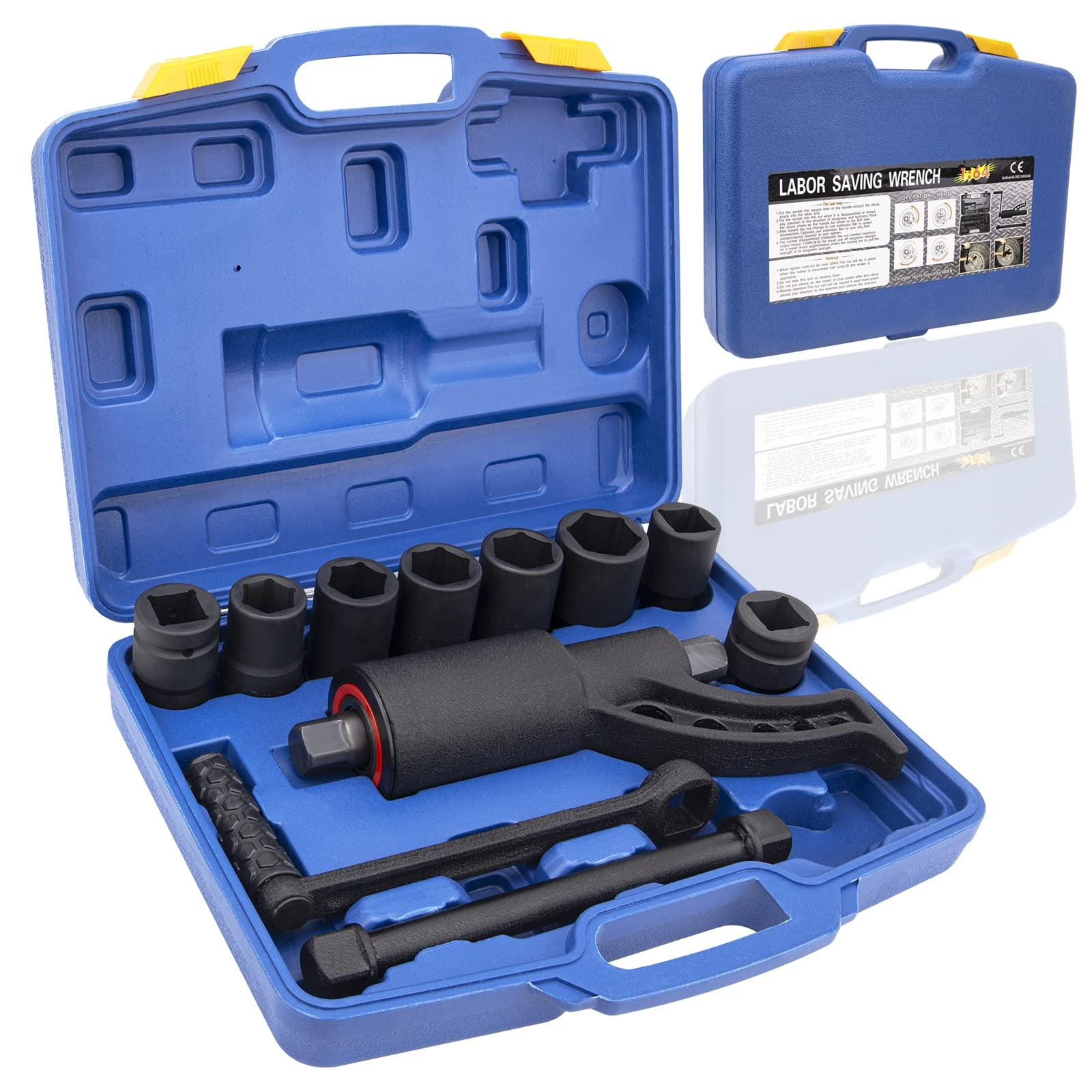
A torque multiplier wrench is a powerful tool designed for high-torque applications where standard ratchets fall short. It allows users to apply massive amounts of force without needing excessive physical effort. This makes it ideal for industrial, automotive, and heavy equipment repairs. Whether you’re working on wind turbines, construction machinery, or large trucks, a torque multiplier wrench delivers consistent, reliable results.
In addition, this tool uses gear reduction technology to amplify input force. For example, a 3:1 ratio triples the torque applied. As a result, tightening or loosening stubborn bolts becomes manageable with hand power alone. Because of its strength and precision, the torque multiplier wrench has become essential in professional environments.
 Why a Torque Multiplier Wrench Is Essential in Heavy-Duty Work
Solving High-Torque Challenges Safely
One major reason professionals use a torque multiplier wrench is safety. Applying extreme force manually can lead to injury. Slipping tools or sudden movements cause strain or accidents. With a torque multiplier, controlled rotation reduces these risks.
Moreover, it prevents over-tightening. Many jobs require specific torque values. Too little causes loose connections. Too much damages threads or flanges. A torque multiplier wrench ensures accuracy when used correctly.
It also saves time during maintenance. Large bolts on mining machines or oil rigs take minutes instead of hours. Workers complete tasks faster without air tools. This boosts productivity on tight schedules.
Repetitive strain injuries decrease too. Mechanics don’t need to jump on breaker bars or use long extensions. The internal gear system does the work. Less physical stress means longer careers.
Emergency repairs benefit as well. In remote areas without power sources, pneumatic tools fail. A torque multiplier wrench operates anywhere. No hoses or compressors are needed.
Teams rely on it during scheduled shutdowns. Downtime costs thousands per hour. Faster bolt cycling keeps operations on track. Every minute saved matters.
Even in marine settings, saltwater corrosion doesn’t stop its function. Stainless models resist rust. They perform reliably on ship engines and offshore platforms.
Therefore, a torque multiplier wrench supports efficiency, safety, and uptime.
 How a Torque Multiplier Wrench Works
Understanding Gear Reduction Technology
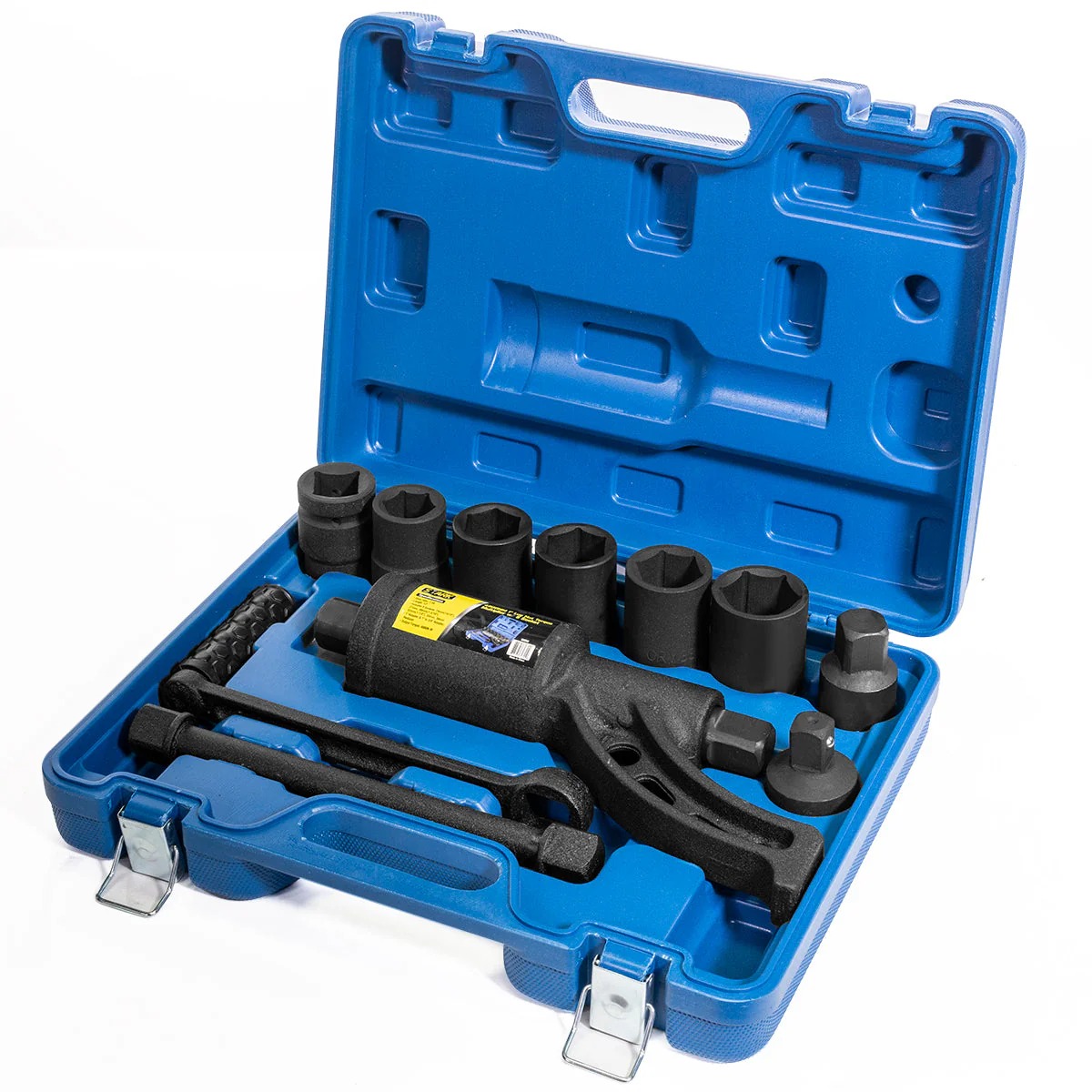
The core of a torque multiplier wrench is its planetary gear system. Inside the housing, multiple satellite gears rotate around a central sun gear. When you turn the handle, motion transfers through this setup.
Each revolution drives the output shaft slower than the input. This speed reduction increases torque. Ratios like 3:1, 4:1, or even 5:1 multiply your effort accordingly.
For instance, applying 100 ft-lbs at the handle with a 4:1 unit produces 400 ft-lbs at the socket. This amplification happens smoothly and predictably. There’s no guesswork involved.
A one-way clutch controls direction. Forward turns tighten the bolt. Reverse movement simply spins the handle back without affecting output. This ratcheting action improves control.
Some models include dual-direction clutches. These allow reverse torque multiplication. Useful for loosening extremely tight fasteners.
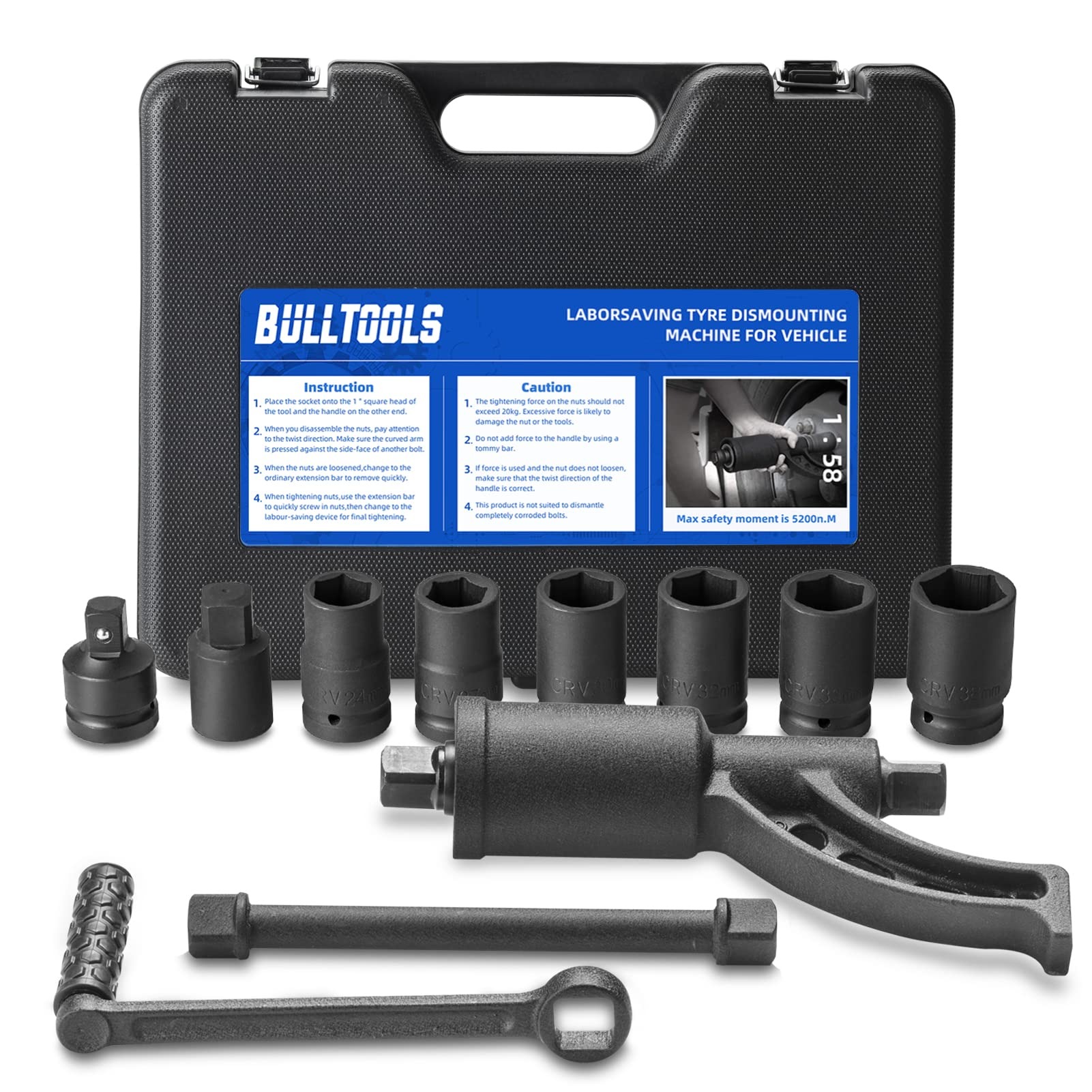
Output drive sizes vary. Common ones are 1/2-inch, 3/4-inch, and 1-inch square drives. Larger versions suit industrial sockets and heavy-duty attachments.
Input handles come in fixed or removable styles. Telescopic arms increase leverage. Shorter handles fit in confined spaces.
Lubrication is built into the housing. Oil or grease keeps gears running smoothly. Regular servicing maintains performance.
This mechanical design avoids electricity or hydraulics. It works in explosive environments safely. No sparks or leaks occur.
Understanding how it functions helps users apply it correctly. Knowledge leads to better results.
Key Applications Across Industries
Where Professionals Rely on Torque Multipliers
The torque multiplier wrench serves many industries. Wind energy technicians use it for blade hub bolts. These connections face constant stress. Proper torque prevents failure.
Oil and gas workers depend on it for pipeline flanges. Sealing joints must be precise. Uneven tension leads to leaks or blowouts. A torque multiplier wrench ensures uniform pressure.
Marine mechanics use it on propeller shafts. Corrosion makes removal difficult. High ratios break free seized nuts. Safety remains high due to controlled force.
Mining equipment has massive wheels and axles. Changing tires requires loosening large lug nuts. Air tools may not reach. The torque multiplier wrench fills the gap.
Construction cranes and excavators need regular inspections. Bolts securing booms and tracks get retorqued frequently. Field teams carry compact units for quick checks.
Railway maintenance crews use them on locomotive parts. Brake calipers and couplings demand exact torque. Manual systems provide that control.
Agricultural machinery like harvesters and tractors have wide axle bolts. During servicing, farmers save time using multipliers. No need for shop visits.
Firefighting apparatus includes water pump panels. These must seal tightly under pressure. Technicians use calibrated tools to meet standards.
Even aerospace ground support uses them. While flight-critical fasteners use digital systems, service vehicles still need strong manual options.
No matter the field, a torque multiplier wrench delivers reliability under pressure.
 Choosing the Right Ratio and Drive Size
Match Your Tool to the Job Requirements
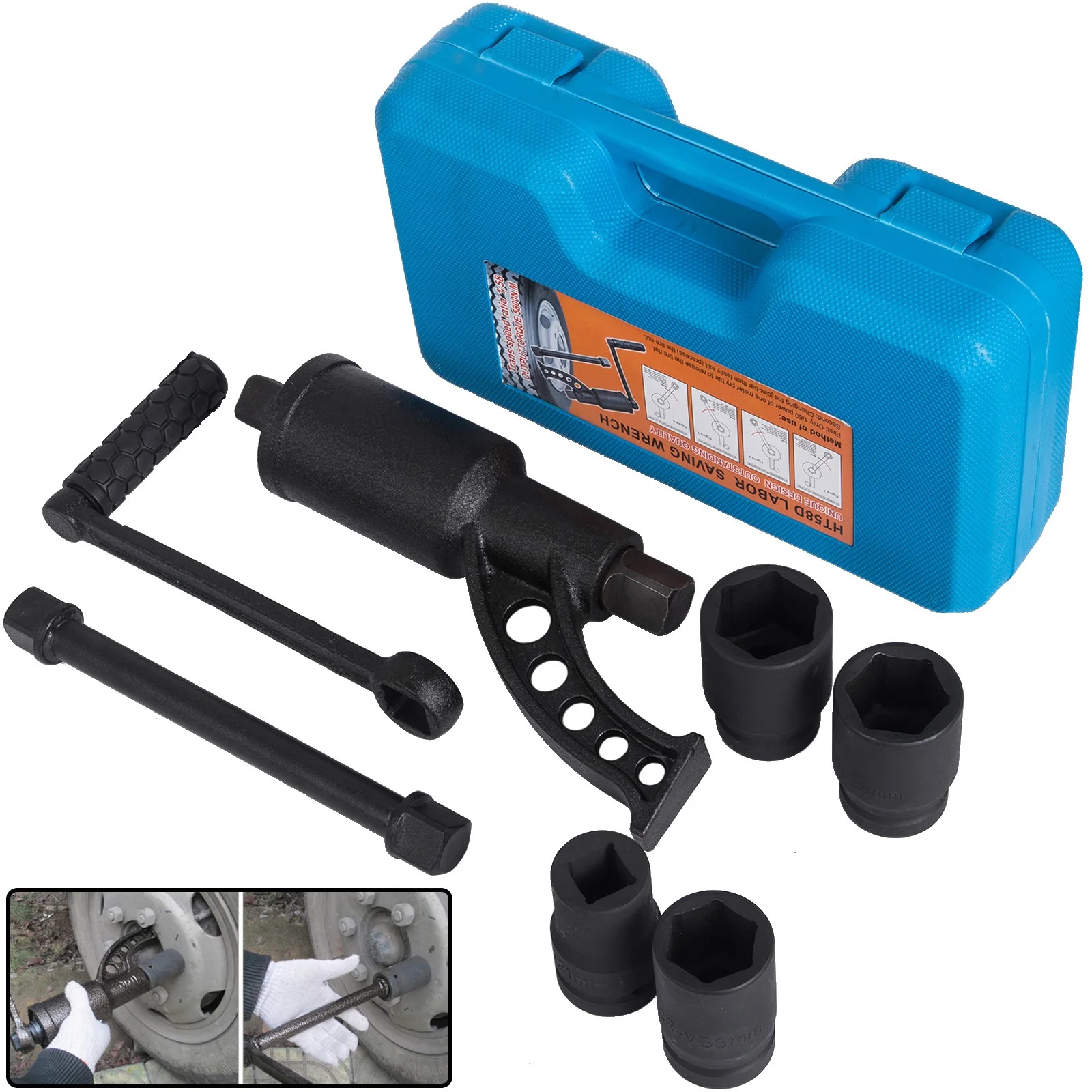
Selecting the correct torque multiplier wrench starts with understanding ratios. A 3:1 model triples your input. Use it for medium-duty tasks like truck wheel nuts.
Higher ratios like 4:1 or 5:1 suit extreme loads. Flange bolts on industrial pumps often require these. More teeth mean more force but slower movement.
Consider access space. High-ratio units are longer. They may not fit in tight engine bays. Compact designs offer lower multiplication but better reach.
Drive size determines compatibility. Most common is 1/2-inch output. It connects to standard sockets. Ideal for general repairs.
3/4-inch drives handle higher torque. Used in commercial fleets and factories. Stronger materials resist deformation.
1-inch and larger serve heavy industry. Offshore rigs and power plants use them daily. Output sockets are bigger and sturdier.
Check input drive size too. Handles usually connect via 3/8-inch or 1/2-inch square ends. Match to your breaker bar or adapter.
Weight matters during overhead work. Aluminum housings reduce fatigue. Steel versions last longer but feel heavier.
Look for visual indicators. Some show gear position through windows. Helps confirm engagement before turning.
Always verify maximum output rating. Never exceed manufacturer limits. Overloading damages internal gears.
Choosing wisely ensures both safety and performance.
Safety Tips
Protect Yourself and Prevent Equipment Damage
Safety should always come first when using a torque multiplier wrench. Start by wearing gloves and eye protection. Metal fragments or slipping tools can cause harm.
Ensure the socket is fully seated. Partial contact leads to slippage. This may send the tool flying. Always double-check fit before applying force.
Use only impact-rated sockets. Standard ones can crack under amplified torque. Shrapnel poses serious risks. Invest in durable accessories.
Keep hands clear of moving parts. Fingers near gears or joints may get pinched. Hold only the handle or frame.
Position your body safely. Stand to the side, not directly behind the tool. If it slips, avoid being in the path of motion.
Do not extend the handle unless designed for it. Some units allow cheater bars. Others warn against added leverage. Follow instructions exactly.
Inspect before each use. Look for cracks, worn teeth, or loose components. Damaged tools fail unpredictably. Remove from service immediately.
Lubricate regularly. Dry gears wear out fast. Use recommended oil or grease. Extend life and smooth operation.
Avoid sudden jerks. Apply steady, controlled pressure. Smooth motion protects both user and equipment.
Train new users. Explain limitations and proper technique. Supervise until confident.
Safe habits prevent accidents. A well-maintained torque multiplier wrench lasts decades.
 Maintenance and Longevity Tips
Keep Your Tool Performing Like New
Proper care extends the life of a torque multiplier wrench. First, clean after every job. Wipe off dirt, grease, and moisture. Prevent buildup in gear areas.
Disassemble only if trained. Internal parts require precise reassembly. Improper handling ruins alignment. Send to certified repair centers when needed.
Lubricate based on usage frequency. Monthly lubrication works for average shops. Daily users may need weekly oiling. Check manufacturer guidelines.
Use the right type of lubricant. Synthetic gear oils work best. Avoid household greases. They attract dust and clog mechanisms.
Store in a dry place. Humidity causes rust. Use cases or padded bags. Protect from drops or impacts.
Rotate tools in a fleet. Don’t rely on one unit constantly. Sharing load reduces wear on individual pieces.
Listen for unusual sounds. Grinding or clicking means internal damage. Stop use and inspect. Catching issues early saves money.
Calibrate periodically. Even non-digital tools lose accuracy over time. Certified services adjust tolerance levels.
Replace seals if leaking. Grease escaping indicates worn gaskets. Fix before contaminants enter.
Keep records of service dates. Track oil changes, repairs, and inspections. Documentation proves care during audits.
With routine attention, a torque multiplier wrench performs reliably for years.
Comparing Torque Multipliers to Other Tools
Why Choose Mechanical Advantage Over Alternatives
When deciding how to loosen or tighten high-torque fasteners, several tools exist. Impact wrenches deliver force through rapid blows. However, they wear down threads and lack precision. A torque multiplier wrench applies steady, measurable force. This preserves bolt integrity.
Hydraulic torque wrenches offer high power. But they need pumps, hoses, and fluid systems. Setup takes time. The torque multiplier wrench works instantly. No extra gear required.
Breaker bars give leverage but rely on brute strength. Users risk injury from slipping or overexertion. A multiplier reduces physical strain significantly.
Torque wrenches measure exact values. Yet most cap out at 300–600 ft-lbs. For higher needs, they fail. A torque multiplier wrench exceeds those limits easily.
Air-powered tools need compressors. These limit mobility. Battery tools run out mid-job. The mechanical nature of a torque multiplier wrench avoids both issues.
Digital smart tools provide data logging. Useful for audits. But they cost far more. A torque multiplier wrench offers value for budget-conscious teams.
Manual simplicity ensures reliability. Fewer parts mean fewer failures. Especially important in remote locations.
While each tool has strengths, the torque multiplier wrench balances power, portability, and control. It’s unmatched for many industrial needs.
Frequently Asked Questions
Common Concerns Answered Clearly
Can I use a torque multiplier with a torque wrench? Yes. Attach it between the torque wrench and socket. Set the wrench to a fraction of final torque. Multiply to achieve target.
Is it accurate enough for critical jobs? Yes, when used properly. Combine with calibration tools for verification.
How do I know when to stop turning? Watch for resistance. Sudden stops mean full torque reached. Do not force further.
Can it be used for loosening? Yes, especially dual-direction models. Loosen extremely tight bolts safely.
Does it require special training? Not legally, but recommended. Employers often train staff on safe use.
Are replacement gears available? Yes, from manufacturers. Keep spare parts for key models.
What is the typical lifespan? Decades with proper care. Many last 20+ years in industrial use.
Can I rent one instead of buying? Yes, rental yards offer them. Good for one-time jobs. Frequent users should buy.
 Final Thoughts
Make a Smart Investment in Strength and Control
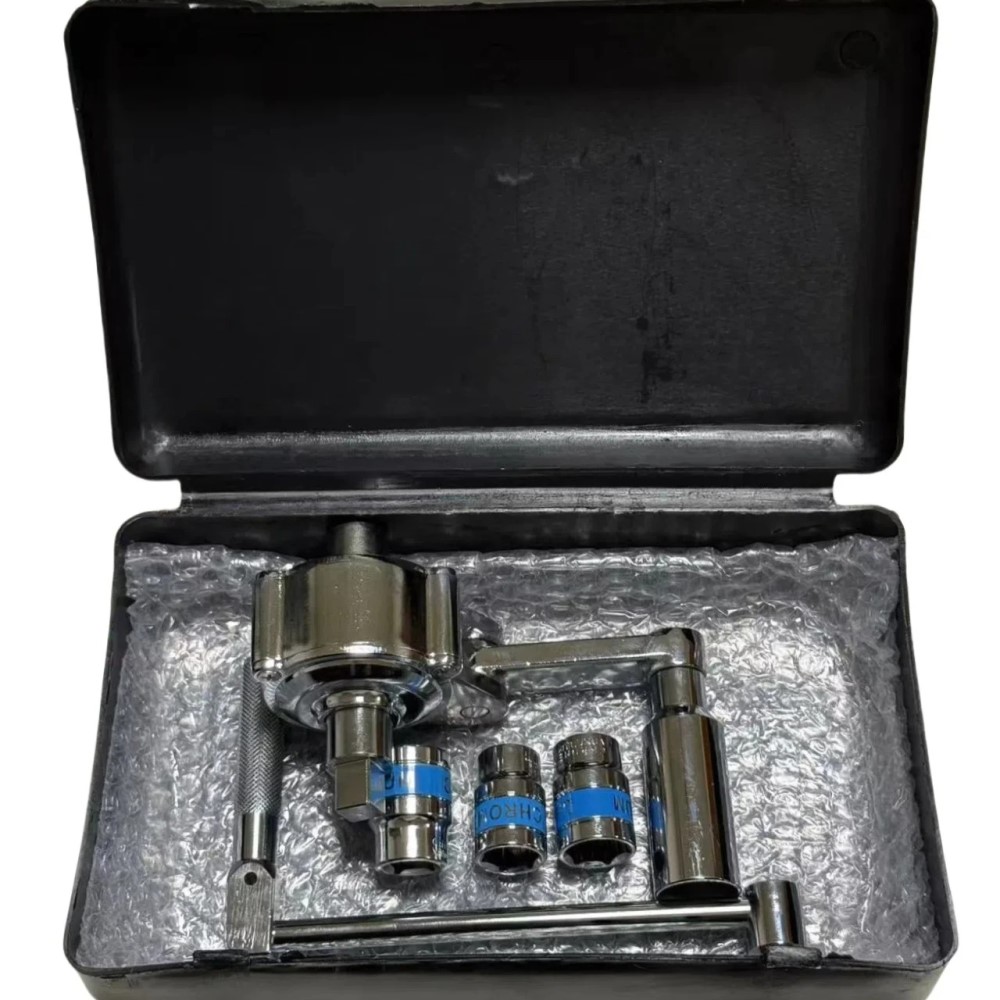
Selecting the best torque multiplier wrench means balancing ratio, size, and durability. Each factor contributes to success in high-stress jobs. By focusing on quality engineering, you ensure long-term reliability.
Over time, owning the right model increases efficiency. Tasks that once took hours now finish quickly. Downtime drops. Productivity rises.
Ultimately, a torque multiplier wrench proves itself as an indispensable tool. It merges raw power with human control in a single device. As industries grow, its role remains vital across sectors.
To conclude, embracing a torque multiplier wrench improves daily operations. It solves common problems like stuck bolts and unsafe methods. Simultaneously, it boosts confidence through dependable performance.
Whether new to industrial work or upgrading your kit, now is an excellent time to invest. With countless designs and growing innovation, torque multiplier wrench will continue meeting diverse needs. Make the smart choice today—your team and projects depend on it.