Understanding the Default Emoji Panel in Windows 11
The way we communicate has evolved significantly over the past decade. Digital expression is now a vital part of our daily interactions. Consequently, Microsoft has integrated a robust emoji panel directly into their operating system. For many users, the standard method involves pressing the Windows key combined with the period key. This action summons a small, floating window. It contains emojis, GIFs, kaomoji, and special symbols. However, not everyone finds this default combination intuitive. Some users might find it uncomfortable to reach for the period key. Others might worry about accidental activation. Therefore, understanding the nuances of the emoji shortcut windows 11 is the first step toward a more personalized computing experience.
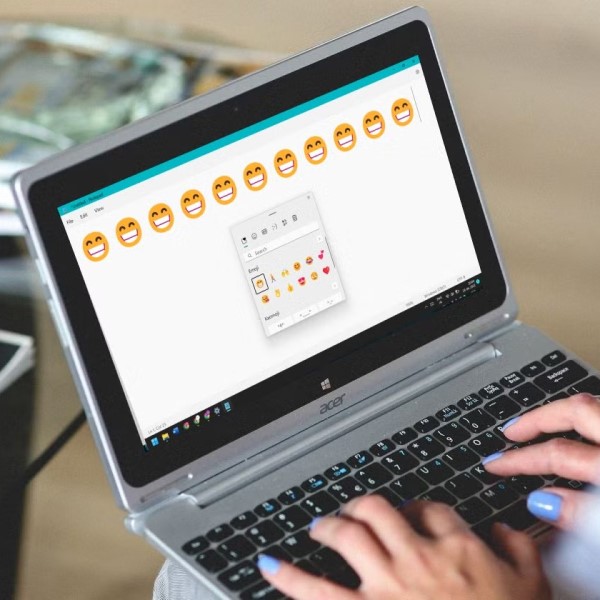
Furthermore, the default panel is more than just a simple list of yellow faces. It acts as a dynamic library of visual content. In 2026, the panel updates frequently to include the latest trending symbols and characters. Microsoft has designed this feature to be sleek and unobtrusive. It appears right where your cursor is located. This ensures you do not lose focus of your work. The search bar within the panel allows for rapid filtering. You do not need to scroll endlessly to find a specific icon. Despite these features, the fixed shortcut key can be a limitation. Power users often prefer specific key combinations that match their muscle memory. Maybe you are coming from a Mac background. Or perhaps you use a different operating system at work. In such cases, the default Windows key combination feels foreign. Therefore, exploring customization options becomes essential for optimizing your digital workflow.
The Importance of Keyboard Shortcuts for Productivity
Keyboard shortcuts are the unsung heroes of modern computing. They reduce the reliance on mouse movements. This reduction saves small amounts of time that add up significantly over a workday. For instance, pressing Ctrl+C to copy is second nature to most of us. It is faster than right-clicking and selecting “Copy” from a menu. Similarly, having a quick way to insert emojis enhances typing speed. Emojis are no longer just for casual texting. They have found a place in professional emails, project management tools, and code comments. Therefore, the ability to insert them without breaking your typing flow is crucial. The standard emoji shortcut windows 11 is a great start. But true productivity comes from making the system work for you, not against you.
Moreover, efficient shortcuts reduce physical strain. Reaching for the mouse constantly can lead to repetitive stress injuries. Keeping your hands on the keyboard is ergonomically better. It allows for a smoother, more continuous stream of thought. When you have to stop, reach for the mouse, open a menu, and click, your brain slightly shifts gears. This context switching can disrupt your focus. By mastering and customizing shortcuts, you maintain your “flow state.” This is particularly important for creative professionals. Writers, designers, and developers benefit immensely from a streamlined interface. Consequently, taking the time to set up personalized hotkeys is an investment in your long-term productivity. It transforms your computer from a generic tool into a personalized instrument. You control the input methods completely. This control leads to a more satisfying and efficient user experience.
How to Open and Use the Emoji Panel Correctly
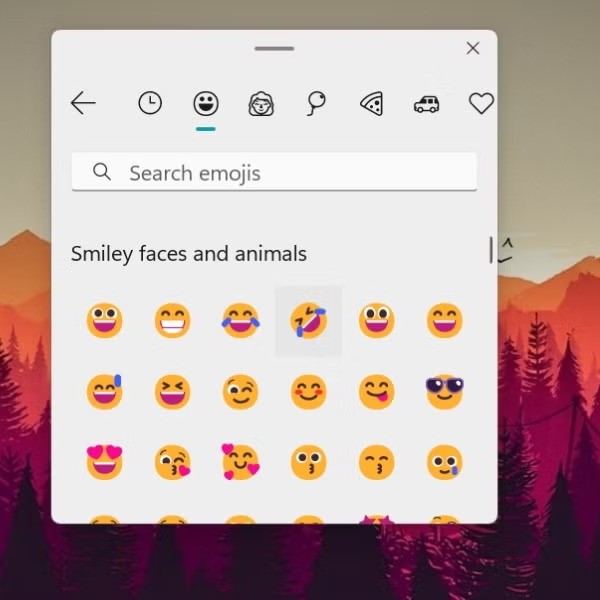
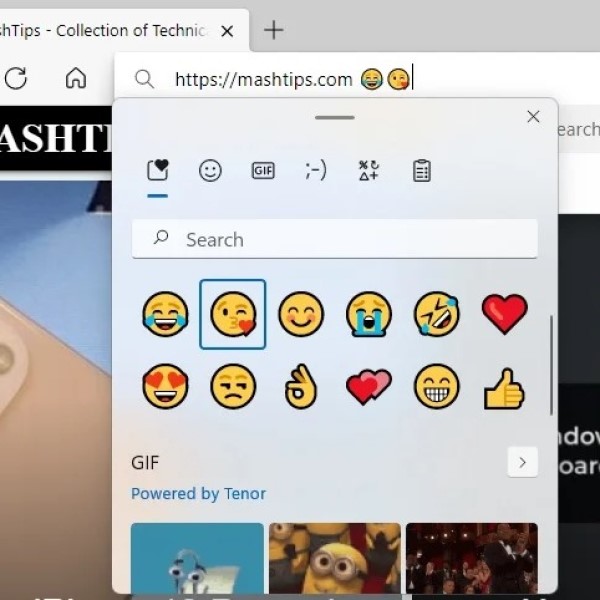
Before diving into customization, we must master the basics. The default mechanism is simple but powerful. To activate the panel, simultaneously press the Windows logo key and the period (.) key. This command works across almost all applications. Whether you are in Microsoft Word, Chrome, or Slack, the panel appears. It contains several tabs at the top for easy navigation. The first tab displays your most recently used emojis. This feature is incredibly helpful because we tend to use the same few symbols repeatedly. The second tab houses the standard emoji categories. You can browse faces, animals, food, and activities. The third tab contains GIFs for more animated expressions. Finally, the fourth tab offers kaomoji and symbols. These are text-based faces and standard currency or math signs.
In addition to clicking, you can navigate this panel entirely with your keyboard. Use the arrow keys to move between icons. Press Enter to select your desired emoji. The panel will stay open until you click away or press Esc. This allows you to insert multiple symbols in a row. If you prefer typing, the search bar is your best friend. Once the panel is open, simply start typing a word like “smile” or “pizza.” The results will filter instantly. This search functionality makes the emoji shortcut windows 11 even faster. You do not need to memorize category locations. You just need to know the name of the symbol. Furthermore, the panel learns from your behavior. It prioritizes the emojis you use most frequently. Over time, it becomes a highly personalized tool that anticipates your needs. Mastering these built-in features provides a solid foundation before you seek advanced customization methods.
Exploring Third-Party Tools for Custom Hotkeys
Windows 11 does not offer a native setting to change the default emoji hotkey. This can be frustrating for users who dislike the Win + Period combination. Fortunately, third-party software fills this gap effectively. Several applications exist specifically to remap keyboard keys. Programs like AutoHotkey, SharpKeys, and PowerToys are popular choices among power users. These tools allow you to redefine what specific key combinations do. For example, you could map the emoji panel to a simpler key, like F13 or a spare media key. Alternatively, you could create a complex script that types your favorite kaomoji instantly. This level of control is what separates casual users from productivity experts.
AutoHotkey is perhaps the most powerful option. It is a free, open-source scripting language for Windows. With a simple script, you can disable the default Win + Period shortcut. You can then reassign it to any other combination you prefer. For instance, you could set Ctrl + Shift + E to open the emoji panel. This prevents conflicts with other system shortcuts. Furthermore, PowerToys, a set of utilities by Microsoft, includes a Keyboard Manager. This tool offers a user-friendly interface for remapping keys. You do not need to write code. You simply select the key you want to change and assign it a new function. Using these tools carries a small risk. You must be careful not to override critical system shortcuts. However, for those willing to experiment, they offer the ultimate solution for a personalized emoji shortcut windows 11. They transform the rigid operating system into a flexible environment.
Step-by-Step Guide to Disabling the Default Shortcut
There are legitimate reasons to disable the default shortcut. You might accidentally press the Windows key while gaming. This minimizes your game and opens the emoji panel. Or perhaps you use a different clipboard manager that utilizes the same key combination. In such cases, turning off the native shortcut is necessary. The process requires a bit of registry editing or the use of third-party tools. Since Windows 11 does not have a simple toggle in the Settings app, we must use the Registry Editor. This method is effective but requires caution. Incorrectly editing the registry can cause system instability. Therefore, you should create a system restore point before proceeding.
To disable the shortcut, open the Registry Editor by typing “regedit” in the Start menu. Navigate to the following path: HKEY_CURRENT_USER\Software\Microsoft\Windows\CurrentVersion\Explorer\Advanced. Here, you need to create a new DWORD (32-bit) Value. Name it “DisableEmoticonHotkey.” Set its value data to 1. Once you restart your computer, the Windows + Period shortcut will no longer function. The emoji panel will still exist, but it will not pop up accidentally. If you want to restore the shortcut later, you can simply delete this registry entry or set the value to 0. This solution effectively stops the annoyance of accidental activation. It clears the way for you to assign your own custom keys using third-party software. Consequently, you regain total control over your keyboard input. You decide when and how the emoji panel appears. This method is the first step in truly customizing your digital workflow.
Creating Custom Text Expansions for Emojis
Another way to customize your emoji usage is through text expansion. This method bypasses the need for the emoji panel entirely. Text expansion involves typing a short abbreviation that automatically expands into a longer string or symbol. For example, you could type “bheart” and it instantly becomes a blue heart emoji. This is often faster than opening a panel and searching. Windows 11 does not have a built-in text expander for emojis. However, the clipboard history feature offers some similar functionality. By pressing Windows + V, you access a history of copied items. You can pin your favorite emojis there for quick access.
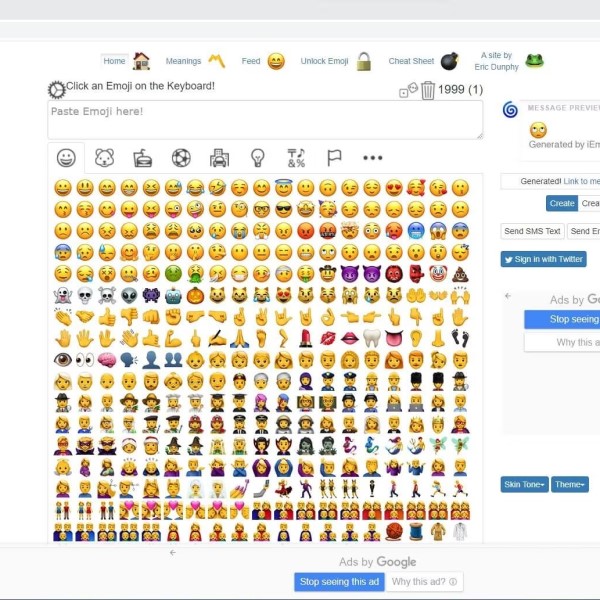
Alternatively, you can use third-party text expansion software. Applications like TextExpander or Espanso allow for robust customization. You can create snippets for your most-used emojis. This is particularly useful for people who work in customer support or social media management. You can insert standard responses with emojis in seconds. Furthermore, this method works across all applications. It is not limited to the emoji panel compatibility. Therefore, it provides a universal solution. You can even create snippets for complex kaomoji. Imagine typing “shrug” and seeing ¯\_(ツ)_/¯ appear instantly. This level of automation significantly speeds up your typing. It effectively creates a personalized emoji shortcut windows 11 without relying on the standard hotkey. It changes the way you interact with symbols on a fundamental level.
Troubleshooting Common Shortcut Issues
Sometimes, the default shortcut stops working unexpectedly. This is a common frustration for many Windows 11 users. There are several reasons why this might happen. First, a background application might be stealing focus. Some applications override system hotkeys. Check if you have recently installed any keyboard management software. If so, try closing it to see if the shortcut returns. Second, the Touch Keyboard process might be disabled. The emoji panel relies on the Touch Keyboard and Handwriting Panel Service. If this service is disabled, the emoji panel will not open. You can check this by opening the Services app. Look for “Touch Keyboard and Handwriting Panel Service.” Ensure it is set to “Automatic” or “Manual.” If it is stopped, start it and try the shortcut again.
Additionally, system file corruption can cause issues. Running the System File Checker (SFC) tool can help. Open Command Prompt as an administrator. Type sfc /scannow and press Enter. This process scans for and repairs corrupted system files. It often restores broken functionalities. Finally, ensure your Windows 11 is up to date. Microsoft frequently releases patches for UI bugs. An outdated version might have known bugs affecting the emoji panel. Keeping your system updated is the best preventive measure. If the problem persists, restarting your computer is a simple but effective troubleshooting step. It clears temporary cache files and resets system processes. Most of the time, a quick reboot resolves the issue. If the emoji shortcut windows 11 still fails, you might need to create a new user profile. Sometimes, user profile corruption leads to specific features breaking.
Future of Digital Expression in Windows Updates
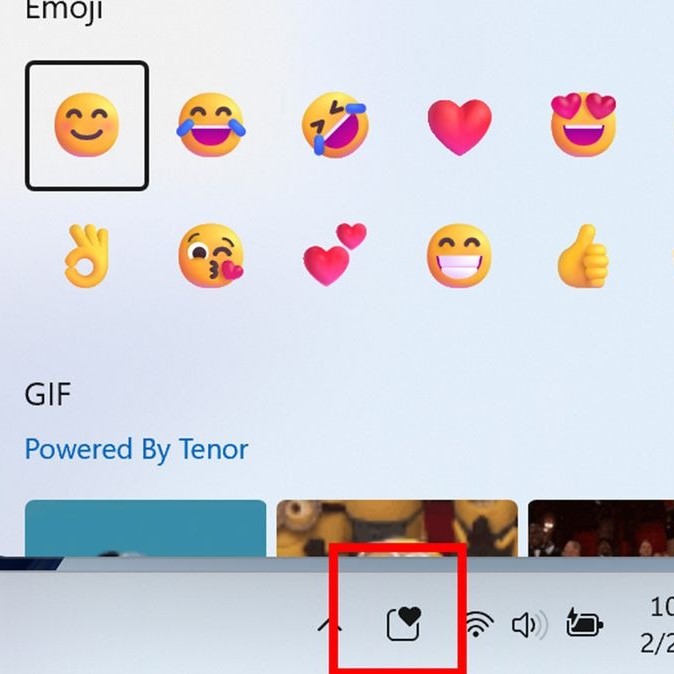
Looking ahead, the integration of emojis into operating systems will only deepen. Windows 11 represents a significant step forward with its Fluent Design emoji set. Microsoft has moved away from the flat, static designs of the past. They now embrace 3D, animated emojis that align with their modern aesthetic. We can expect future updates to bring even more customization. Perhaps Microsoft will eventually add native support for remapping the emoji hotkey. This is a highly requested feature in user feedback forums. As AI becomes more integrated into Windows, emoji suggestions might become smarter. The system could analyze the context of your sentence. It could then suggest the perfect emoji without you having to search. This would represent the ultimate evolution of the emoji shortcut windows 11.
Furthermore, the line between emojis and other digital assets is blurring. We already see GIFs and kaomoji integrated into the panel. Future versions might include stickers, custom avatars, or even sound bites. The shortcut key could evolve into a “Digital Expression Hub.” This hub would centralize all non-text communication tools. Consequently, learning to customize and master this tool now prepares you for the future. As remote work and digital collaboration continue to grow, clear communication is paramount. Emojis help convey tone and emotion in text-heavy environments. They prevent misunderstandings and build rapport. Therefore, the ability to access them quickly is not just a convenience. It is a necessary skill for the modern digital age. Staying updated with these changes ensures you remain an effective communicator.
Conclusion: Mastering Your Digital Keyboard
The keyboard is your primary interface with the digital world. Mastering its shortcuts is essential for efficiency. The default emoji shortcut windows 11 is a powerful tool. It bridges the gap between rigid text and emotional expression. Whether you choose to stick with the standard Windows + Period combination or explore third-party tools, the goal remains the same. You want a seamless, unobtrusive way to enrich your writing. Disabling the shortcut for gaming or remapping it for comfort gives you control. Text expansion offers an alternative path for power users. Ultimately, Windows 11 provides the platform. It is up to you to configure it to suit your specific needs.
We have explored the default features, the importance of shortcuts, and various customization methods. We also looked at troubleshooting steps to keep your system running smoothly. The world of digital communication is constantly evolving. Emojis are a permanent fixture in this landscape. Therefore, taking the time to understand and customize the emoji shortcut windows 11 is a wise investment. It enhances your productivity and protects your physical comfort. Do not settle for default settings that do not serve you. Explore the registry, try out AutoHotkey, or simply pin your favorites. By doing so, you transform Windows 11 into your own personalized workstation. Happy typing.